

Sustainable Development Goals
We support the United Nations’ Sustainable Development Goals (SDGs). Eight of them are particularly relevant to us. An excerpt of our measures and objectives:
SDG 7:
Affordable and Clean Energy*
SDG 7:
Affordable and Clean Energy*
- We have been using certified green electricity in our stores, DIY stores, warehouses, and travel offices in Germany and Austria since 2008. We have signed a long-term power purchase agreement for an offshore wind farm. From 2026, 1,500 stores in Germany and Austria will be supplied with electricity from the Borkum Riffgrund 3 wind farm.
- We are increasing our energy efficiency based on our certified energy management systems in all units and by optimising logistics, among other things.
- At the end of 2025, there were approximately 3,308 fast-charging stations available to customers in the parking lots of new REWE and PENNY stores in Germany (2024: 2,000) and 613 (2024: 490) charging stations at 192 (2024: 154) BILLA, BIPA and PENNY locations in Austria.
*The scope includes REWE and PENNY in Germany; deviations are explicitly stated.
SDG 5:
Gender Equality*
SDG 5:
Gender Equality*
- To protect women and girls in the supply chains for private label products, the REWE Group has set out objectives and requirements in a guideline that applies to private label products from REWE, PENNY and toom Baumarkt DIY store in Germany, as well as from BILLA, BIPA and ADEG in Austria, and serves as a framework for guidance.
- For selected raw materials, we rely on certifications and standards that include, among other things, requirements relating to labour and human rights, including aspects of equal treatment and protection against discrimination.
- As part of individual projects, we address social issues, such as income prospects for women and working conditions, within supply chains. This also includes training on working hours, wages and other topics at selected production sites.
- Within our company, we rely on structural frameworks to promote equality, including provisions in collective labour agreements that stipulate equal pay for work of equal value.
*The scope includes REWE and PENNY in Germany; deviations are explicitly stated.
SDG 2:
Zero Hunger*
SDG 2:
Zero Hunger*
- We work together with food banks and the German non-profit initiative “foodsharing e.V.” to save and distribute food that can no longer be sold, but can be consumed without risk. We have also signed up to the Pact Against Food Waste (See focus topic Sustainable Consumption). We are committed to reducing food waste by 30 per cent by 2025 and by 50 per cent by 2030. Almost all locations of BILLA, BILLA PLUS, PENNY, BIPA and ADEG in Austria support surrounding social supermarkets (affordable products for low-income earners) and charitable partners with food and everyday goods.
*The scope includes REWE and PENNY in Germany; deviations are explicitly stated.
SDG 15:
Life on Land*
SDG 15:
Life on Land*
- For wood and paper products, we rely on the recognised certification schemes of the Forest Stewardship Council (FSC®), the Programme for the Endorsement of Forest Certification (PEFC™) or the Blauer Engel (Blue Angel) eco-label.
- With a view to the EU Deforestation Regulation (EUDR), we are preparing for future regulatory requirements and continuing to develop our processes to meet our due diligence obligations. We have been making our supply chains deforestation- and conversion-free since the end of 2025.1 Our goals of sourcing of primary high-risk raw materials1 from certified sources or low-risk origins, have been met or are nearly met (See focus topic Climate Protection and Objectives and KPIs). We aim to further expand the share of our physical supply chains in future.
- By early 2025, we had switched our entire range of soils at REWE and PENNY in Germany, as well as the toom Baumarkt DIY store, to peat-free alternatives. REWE and PENNY had already achieved this objective ahead of schedule in 2024.
- Within our supply chains, we are committed to promoting biodiversity in regional open-air fruit and vegetable cultivation, and we report on the scale and progress of these efforts annually.
- The “Blühendes Österreich” (Austria in bloom) biodiversity foundation – named Austria’s Foundation of the Year in 2025 – has, since it began its work in 2015, helped to preserve or improve ecosystems and habitats across more than 15 million square metres (2024: 13 million) through targeted funding programmes, nature-friendly management, scientific monitoring and educational initiatives. The total is expected to reach 20 million square metres by 2030.
*The scope includes REWE and PENNY in Germany; deviations are explicitly stated.
1Cocoa, coffee, palm oil, soya for animal feed, wood and paper, as well as fresh beef, with a cut-off date of 1 January 2020. Conversion relates to all valuable ecosystems. Scope: REWE and PENNY in Germany private label products.
SDG 14:
Life Below Water*
SDG 14:
Life Below Water*
- For selected raw materials, we adhere to recognised standards, such as Rainforest Alliance, Fairtrade, Cotton made in Africa® and Naturland, which include requirements relating to environmental and resource topics, such as water management.
- Through the detox programme for clothing, footwear and home textiles of our private label ranges, we set out requirements concerning the use of chemicals in order to reduce potential pollution of water bodies along the supply chain.
- In our guideline on fish and seafood, we set out requirements for our business partners along the supply chain with the aim of promoting sustainable fishing. It sets out the objective of sourcing only certified products (MSC, GLOBALG.A.P., ASC, organic certification) for our private label fish products1.
- We have set ourselves the goal of eliminating harmful microplastics and defined synthetic and semi-synthetic polymers in dissolved/gel-like/liquid form from the formulations of our private label cosmetic products. Both objectives were once again achieved in 2025.
*The scope includes REWE and PENNY in Germany; deviations are explicitly stated.
1In the frozen, convenience, fresh and tinned food sectors.
SDG 13:
Climate Action*
SDG 13:
Climate Action*
- In March 2024, the REWE Group joined the Science Based Targets initiative (SBTi), and we are aligning our science-based targets with the 1.5-degree path set out in the Paris Agreement. As a Group, we want to achieve net zero emissions by 2050. In December 2024, the SBTi validated the targets of REWE and PENNY in Germany.
- Since 2025, we have been asking all our private label suppliers to make an SBTi commitment. From 2026, this will be taken into account as a selection criterion in our procurement processes. We explain the steps involved, from making an SBTi commitment through to validation, in an online training session. By the end of 2025, 226 suppliers (accounting for 52.3 per cent of product-related private label emissions) had already made an SBTi commitment or achieved SBTi validation.
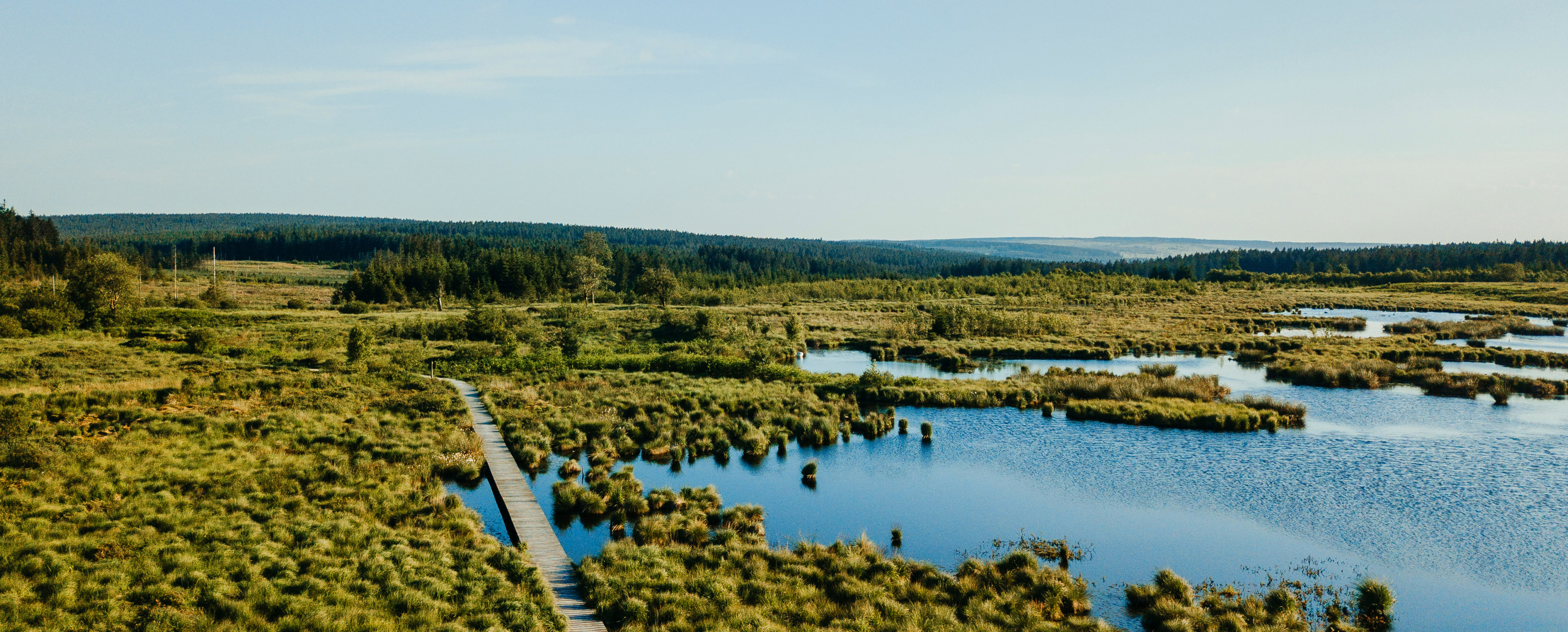
- Since 2022, REWE in Germany has been supporting the NABU Climate Fund with at least five million euros annually. By the end of 2025, just under 4,515 hectares of moorland (2024: 4,000) had been secured for rewetting across seven European countries (2024: six). Europe’s largest moorland renaturalisation project for former agricultural land is currently underway in the Ahlen-Falkenberger Moor in the Cuxhaven district.
- In 2025, through the “Förderprogramm Klimaschutz” (Climate Protection Support Programme) under the aegis of the Competence Centre for Agriculture, we once again offered our private label suppliers co-financing for projects aimed at reducing GHG emissions in the supply chain (for more information, See focus topic the Climate Protection). In addition, as part of the support programme, we held discussions on climate protection with approximately 50 of our private label suppliers.
- As part of the Futouris “Hotels Go Net Zero” project, the DERTOUR Group is guiding three pilot hotels in Germany, Greece and Spain through a comprehensive climate management process – including Scope 3 emissions measurement – by the end of 2025, with the aim of developing net-zero roadmaps. In addition, in July 2025, the DERTOUR Group hosted the third Futouris CEO Talk with airline partners and other tour operators to set out specific steps for promoting sustainable aviation fuels and CO2 reductions in the tourism sector.
*The scope includes REWE and PENNY in Germany; deviations are explicitly stated.
SDG 8:
Decent Work and Economic Growth*
SDG 8:
Decent Work and Economic Growth*
- In our group-wide Declaration of Principles, we commit to promoting respect for human rights and environmental concerns throughout our value chains, and to preventing, minimising and, where necessary, remedying violations of human rights and environmental risks and violations as part of our due diligence obligations.
- With regard to the German Act on Corporate Due Diligence Obligations in Supply Chains (LkSG), we have implemented a group-wide grievance procedure (See focus topic Supply Chain), which all potentially affected groups of people can use to report violations of human rights and environmental risks at any time.
- By 2030, we aim to gradually roll out training and qualification measures for our strategic suppliers and selected production sites for our private label products (REWE, PENNY and toom Baumarkt DIY store in Germany) in order to raise awareness of human rights and environmental risks throughout the supply chain.
*The scope includes REWE and PENNY in Germany; deviations are explicitly stated.
SDG 12:
Responsible Consumption and Production*
SDG 12:
Responsible Consumption and Production*
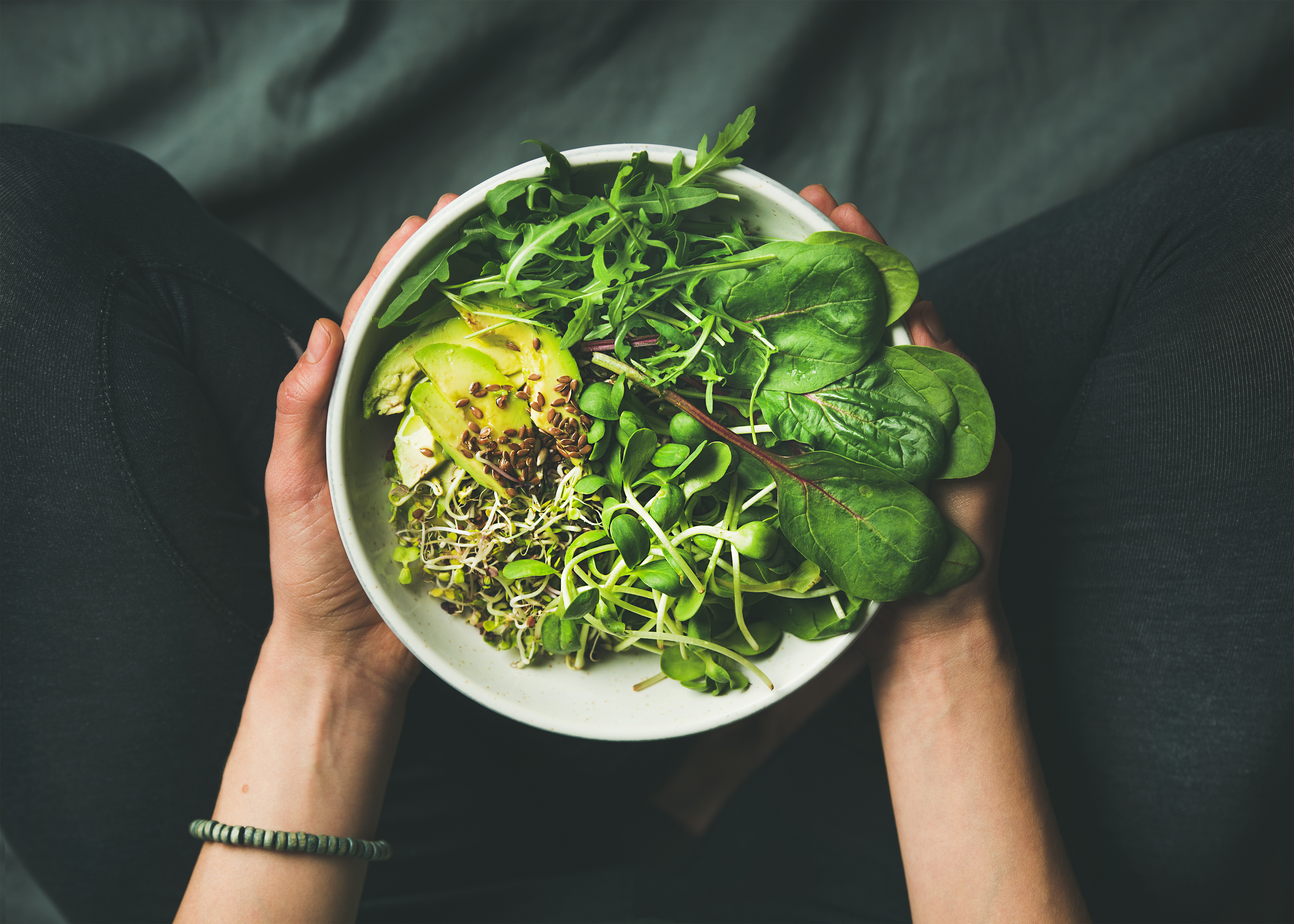
- We are continuously further developing our private label ranges of organic, vegan and regional products. In July 2025, we published our position paper on our protein strategy in Germany in collaboration with REWE and PENNY. The objective set out in the paper is to increase the proportion of plant-based products in the total product range (food excluding drinks) to 60 per cent by 2035 (2024: 54 per cent). In 2025, this figure was recalculated using an updated methodology, yielding a figure of 55.6 per cent.
- Since 2024, we have been reporting on the topic of sustainability on a regular basis, including on our new nachhaltigkeit.rewe.de platform. There, we provide information on sustainability topics, sustainability tips for everyday life and insights into selected sustainability initiatives at REWE. You can also subscribe to our sustainability newsletter.
- We have achieved our goal of using 20 per cent less plastic in our private label packaging by 2025 ahead of schedule. Our reusable alternative, “Einfach Mehrweg” (simply reusable), developed by REWE in collaboration with SYKELL, which we expanded last year (See focus topic Circular Economy), has been awarded the “Deutscher Nachhaltigkeitspreis Produkte 2025” (German Sustainability Award for Products 2025).
- We use modern forecasting systems, automated ordering processes and other measures to prevent food waste. We also work with food banks and the German non-profit initiative “foodsharing e.V.” (See also SDG 2).
- As part of the industry-wide “Klimabewusst reisen” (climate-conscious travel) project, our teams at the DERTOUR Group collaborated with other stakeholders to develop a standard for calculating the carbon footprint of a trip, which we are gradually incorporating into our offers. In addition, with the industry project “Klimafreundlichere Produktgestaltung” (more climate-friendly product design), we have developed key performance indicators (KPIs) that will be incorporated into the product design of our tours in the future and will also consider climate-related aspects.
*The scope includes REWE and PENNY in Germany; deviations are explicitly stated.
See also focus topic:
Organic and RegionalismSustainable Consumption
Circular Economy
Nutrition and Protein Strategy