
Through biodiversity measures in selected supply chains and projects, we are working to conserve natural resources, create habitats for biodiversity and restore damaged ecosystems.
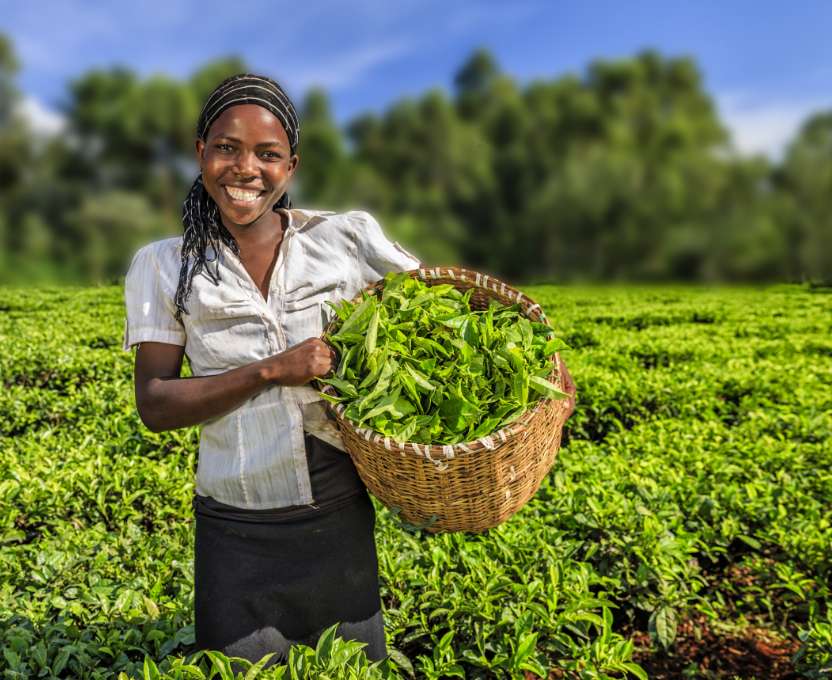
We source selected raw materials in accordance with certified standards such as organic, Rainforest Alliance or Marine Stewardship Council (MSC), and label them transparently.
We rely on cooperation. With our partner NABU, we have been supporting farmers since 2021 in converting to organic farming with the project “Gemeinsam Boden gut machen” (Making up ground together) (see focus topic Organic and Regionalism). Additionally, REWE has been working with the NABU Climate Fund (see focus topic Climate Protection) since 2022 to promote the rewetting of peatlands in Germany, which offer a habitat for many animal and plant species and act as a carbon sink.
79000
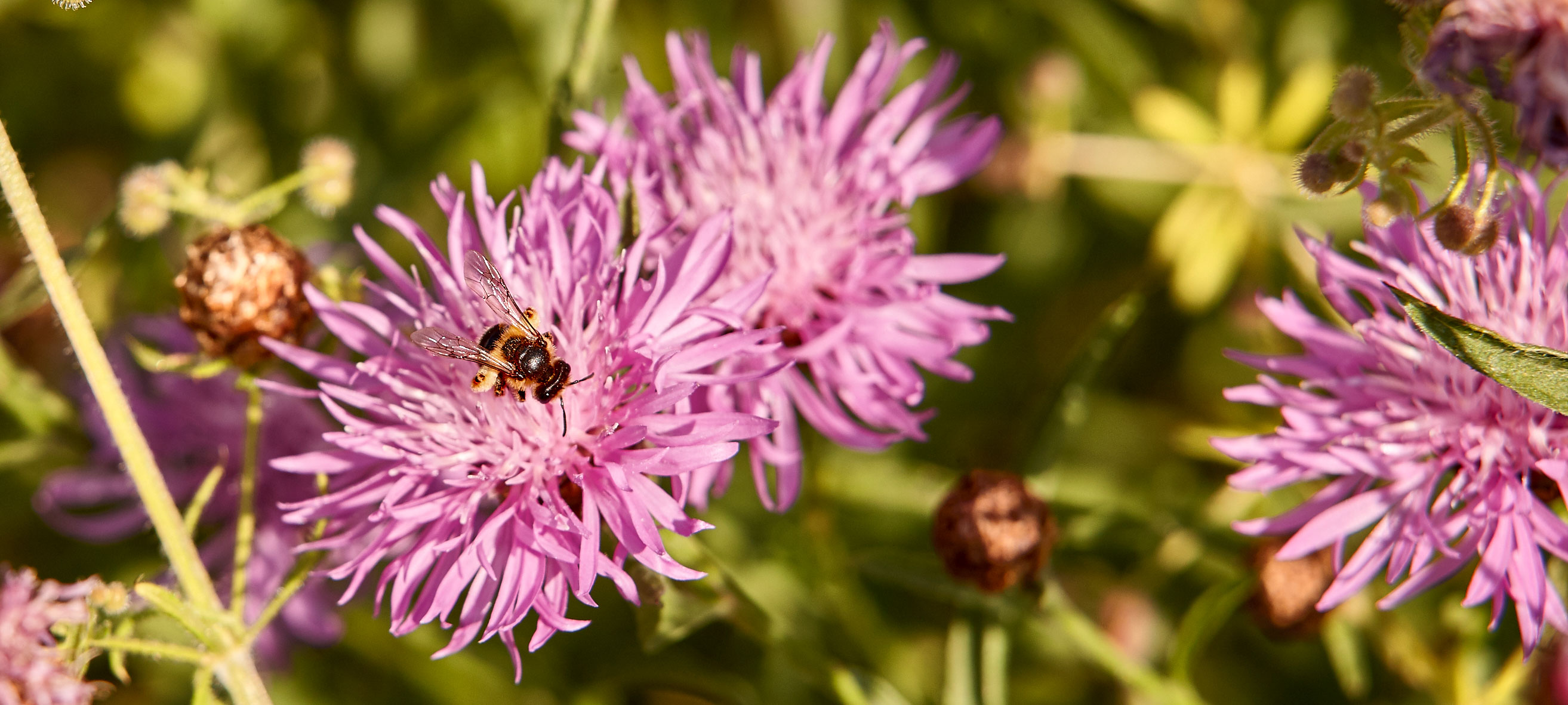
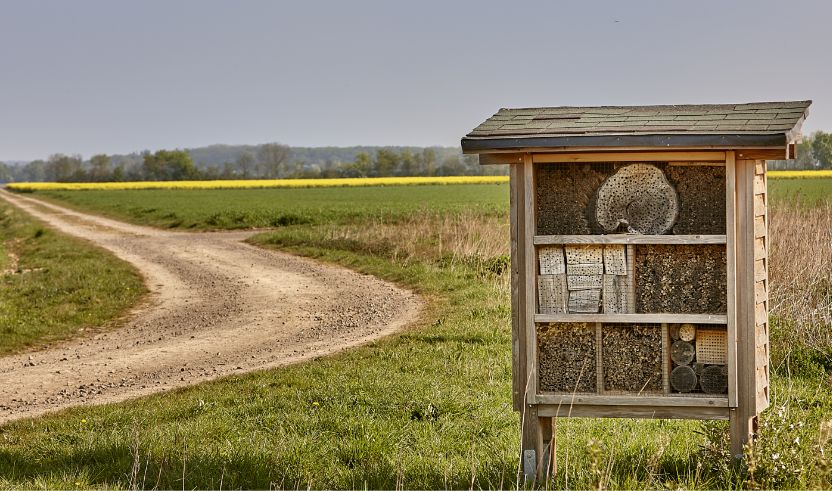
In our biodiversity project, we have been working with farmers since 2010 to increase the diversity of habitats on conventional fruit and vegetable farms – for example, by creating wildflower strips (see Successes). By the end of 2025, roughly 79,000 (2024: 78,800)1 trees, hedges and shrubs had been planted and more than 28,800 (2024: 27,700) nesting boxes and aids for birds, bats and insects had been installed.
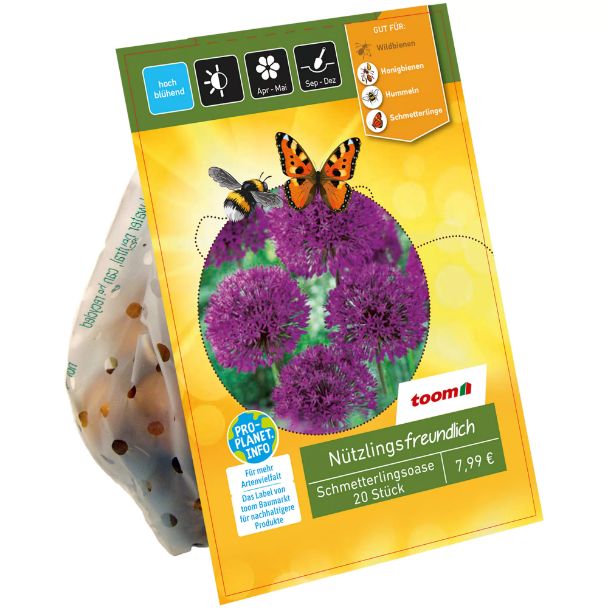
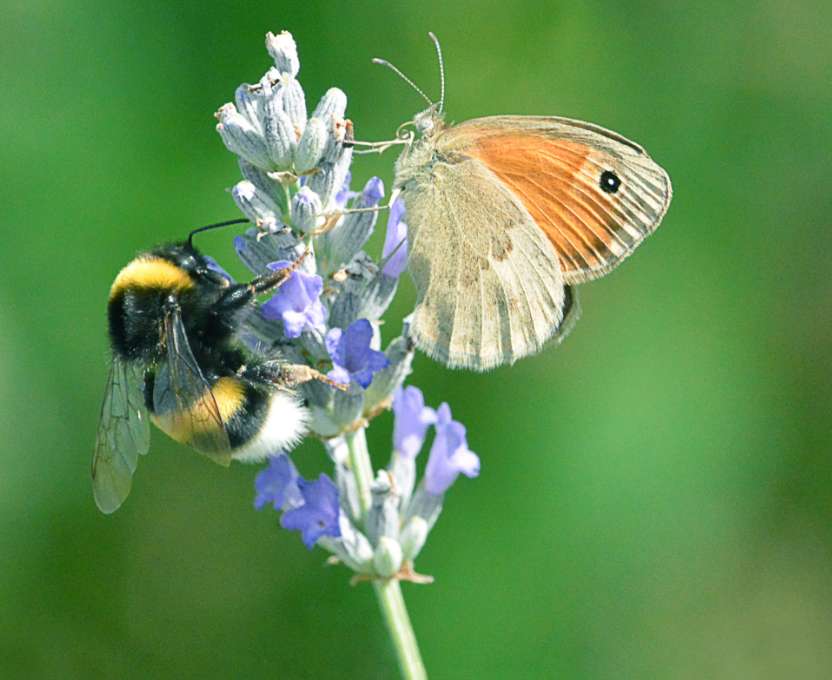
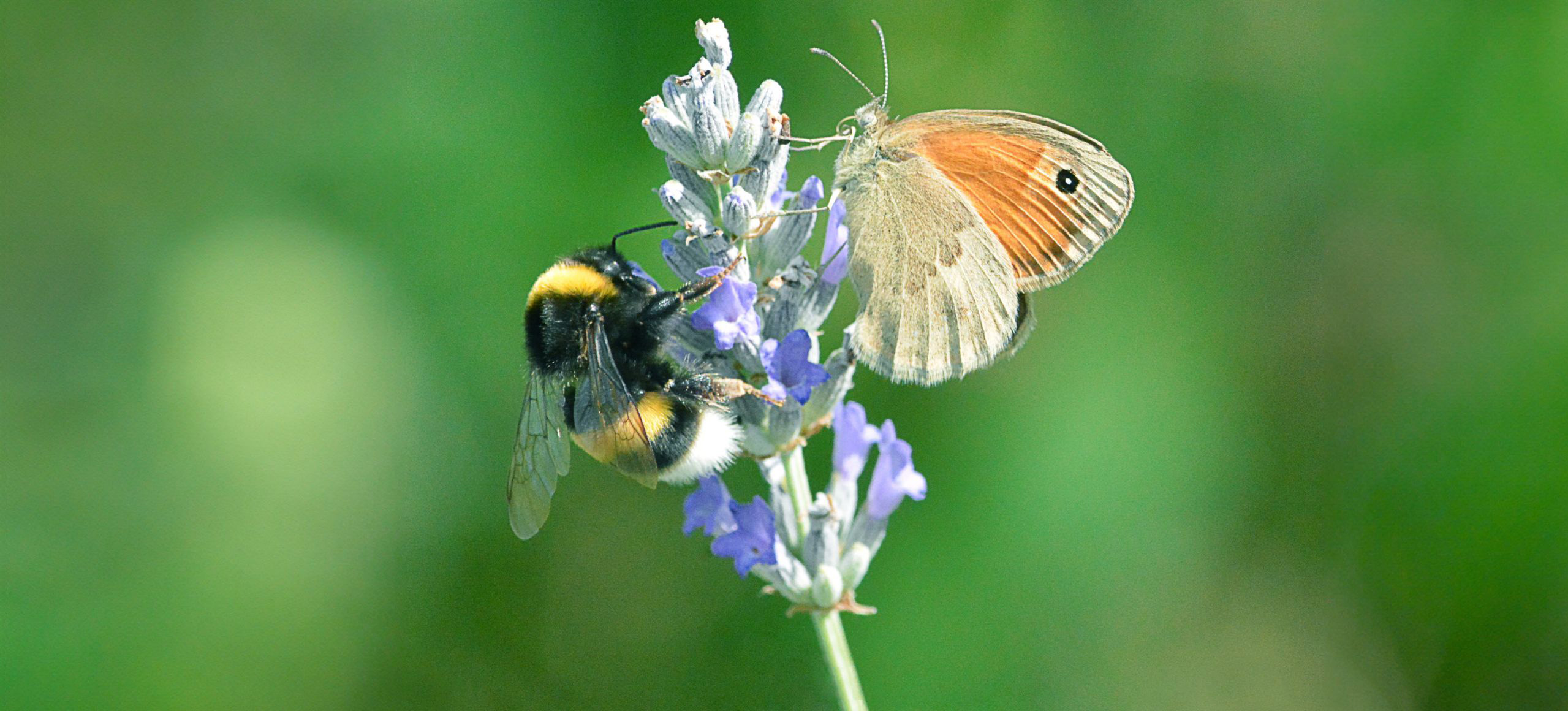
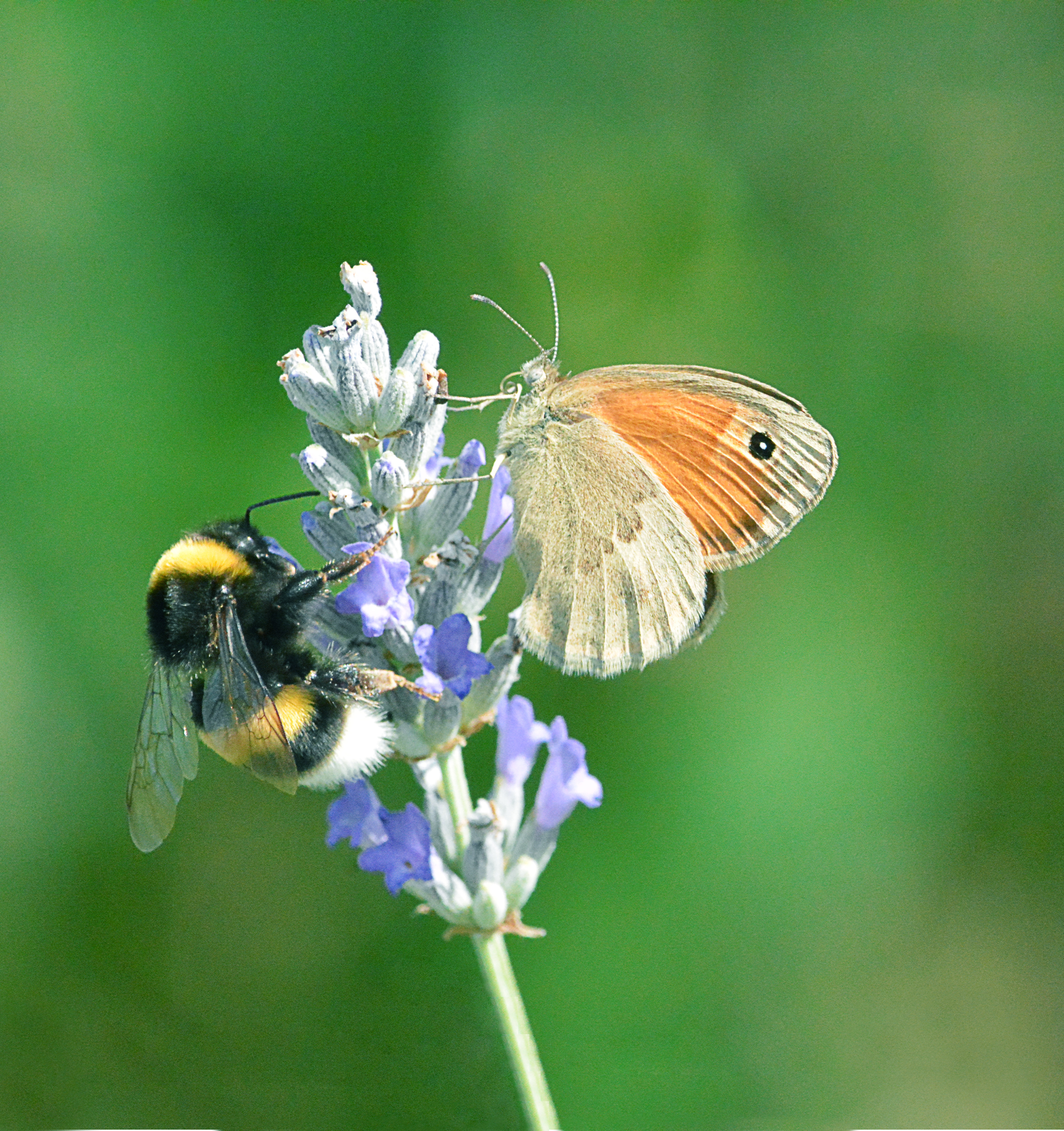
At REWE and toom Baumarkt DIY store, we sell plants that have been assessed by an expert as sources of pollen for honeybees, bumblebees and wild bees, and nectar plants for butterflies. At the end of 2025, the product range comprised 198 items (2024: 145).
We are reducing the pesticide levels in fruit and vegetables sold by REWE and PENNY in Germany, as well as in plants sold by toom Baumarkt DIY store, and we do not use products containing glyphosate. At REWE and PENNY, we are adding 27 active ingredients – based on the proposal of the European Chemicals Agency (ECHA) to regulate PFAS as a plant protection product – which we are banning or limiting to a maximum of 25 per cent of the legal maximum values. We also set specifications on the use of pesticides included on the list of particularly critical active substances of the Pesticide Action Network (PAN; March 2021), and the list of PFAS of the ECHA, and work with standards such as GLOBALG.A.P., Rainforest Alliance or Fairtrade. In 2020, following an external pesticide risk assessment, toom Baumarkt DIY store switched its range of pesticides to alternatives with a lower assessed risk. Since 2024, new products have been assessed using this procedure before being added to the range.
We set new standards
We are a founding member of the “Food for Biodiversity” association. This industry-wide alliance aims to tighten biodiversity standards in the food sector, extending them right back to the upstream value chains.
Our private-label products are a key lever for protecting biodiversity.
22.6 million
Between 2010 and the end of 2025, as part of our biodiversity project, we have created or maintained over 22.6 million square metres (2024: 18 million) of wildflower strips2 in Germany. The “Blühendes Österreich” (Austria in bloom) biodiversity foundation – named Austria’s Foundation of the Year in 2025 – has, since it began its work in 2015, helped to preserve or improve ecosystems and habitats across more than 15 million square metres (2024: 13 million) through targeted funding programmes, nature-friendly management, scientific monitoring and educational initiatives. The total is expected to reach 20 million square metres by 2030.
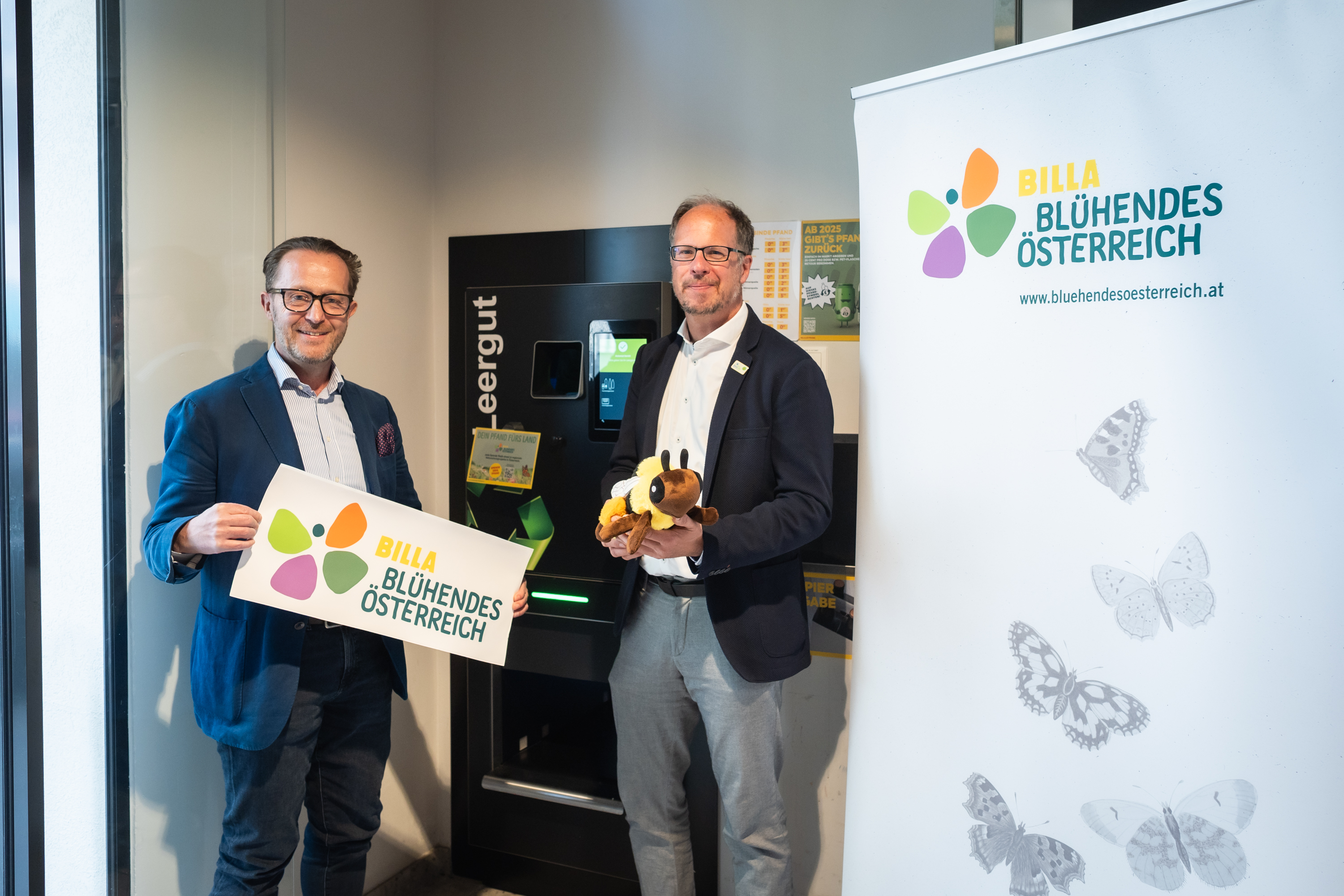
In 2025, BILLA and the Foundation, in collaboration with BirdLife Austria, launched the new fundraising initiative “Dein Pfand fürs Land” (Your deposit for the countryside): Since May, customers at around 1,250 BILLA and BILLA PLUS stores have been able to donate their deposit when returning empty bottles and cans, thereby actively contributing to nature conservation in Austria. As a result, the first “Wilde Weiden” wild meadow project in the Weinviertel will receive 395,000 euros for the sustainable grazing of 250 hectares of natural land.
As of the end of 2025, we cooperate with over 455 (2024: over 540) fruit and vegetable farms to promote biodiversity.
All conventional bananas and pineapples at REWE and PENNY in Germany are certified by Rainforest Alliance or Fairtrade, and some are also certified organic. At Lekkerland, this also applies to bananas; in the case of pineapples, however, other, higher-standard social criteria are applied in addition to these certifications.
As early as 2015, toom Baumarkt DIY store decided to remove all products containing glyphosate and pesticides particularly harmful to bees from its range; in 2020, it also became the first German DIY store to commit to continuously reducing the use of synthetic chemical pesticides and gradually phasing them out of its range. The REWE Group in Austria is reducing pesticide levels in conventionally grown fruit and vegetables through its Pesticide Reduction Programme (PRP), which has been in place since 2002 in partnership with the environmental organisation GLOBAL 2000.
Our potting compost is peat-free
Since 2024, REWE and PENNY in Germany have been selling only peat-free potting compost; the same has applied to toom Baumarkt DIY store since the start of 2025.