


Our circular economy strategy for REWE and PENNY in Germany and toom Baumarkt DIY store relies on the three principles of Reduce, Reuse and Recycle.
Through our own initiatives and in collaboration with partners, we develop solutions and standards for recyclability, digitalisation and the use of recycled materials, for example with NABU, the GS1 international standards development network, the global industry network Consumer Goods Forum, and, since July 2025, with the Forum Rezyklat. Since September 2025, we have also been a member, alongside BILLA in Austria, of the “Verpackung mit Zukunft” (Packaging for the future) initiative, with the aim of working together to promote sustainable packaging solutions.
Since 2023, we at REWE have been the first food retailer in Germany1 to use the open, scalable “Einfach Mehrweg” (Simply reusable) system for reusable takeaway packaging, with returns via reverse vending machines – and in the same year, the statutory requirements for reusable takeaway packaging also came into force. Lekkerland has also been using the system since 2023. In 2025, the system was expanded to include more washing stations and was integrated into the convenience shops. The system was awarded the 2025 German Sustainability Award for Products.
We are working across the entire value chain to reduce, improve and make packaging more sustainable. We
- are reducing packaging material – for example, by doing away with plastic lids – and increasing the average share of recycled material in packaging, whether for drinks, drugstore products or paint buckets.
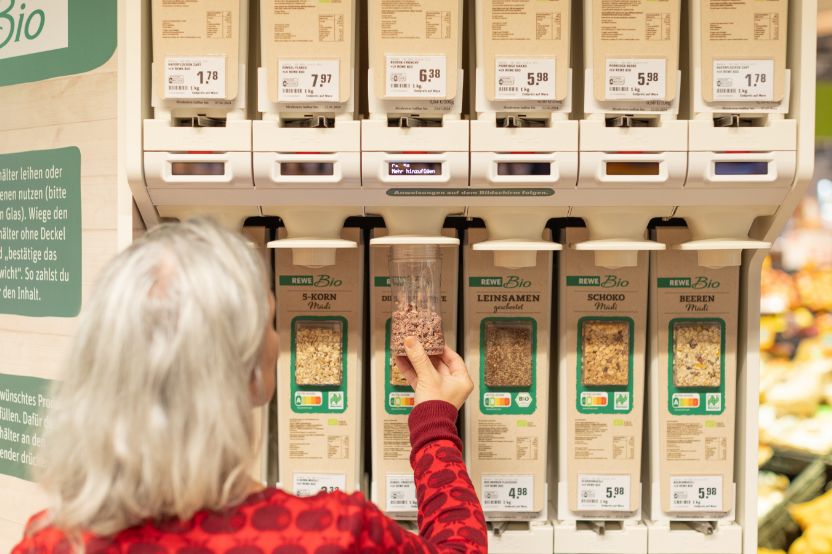
- are trialling reusable and zero-waste solutions in pilot projects – for example, with zero-waste stations at REWE in Germany in 2024 or, since 2025, in Austria. They demonstrate how crucial factors such as customer acceptance, environmental assessment and cost-effectiveness – as well as technological requirements – are to their scalability.
- are aligning our processes with the new requirements of the EU Packaging and Packaging Waste Regulation (PPWR), which will come into force on 12 August 2026.
Reusable packaging requires political support
Reusable packaging can reduce resource consumption and the environmental impact of packaging. Appropriate framework conditions are needed to establish reusable alternatives. We set out what prerequisites could be required in a Position paper together with NABU in 2023. For example, the standardisation of reusable containers and comprehensive pool reusable systems could be used to further develop ecologically beneficial, customer-friendly reusable systems that can be implemented in retail.
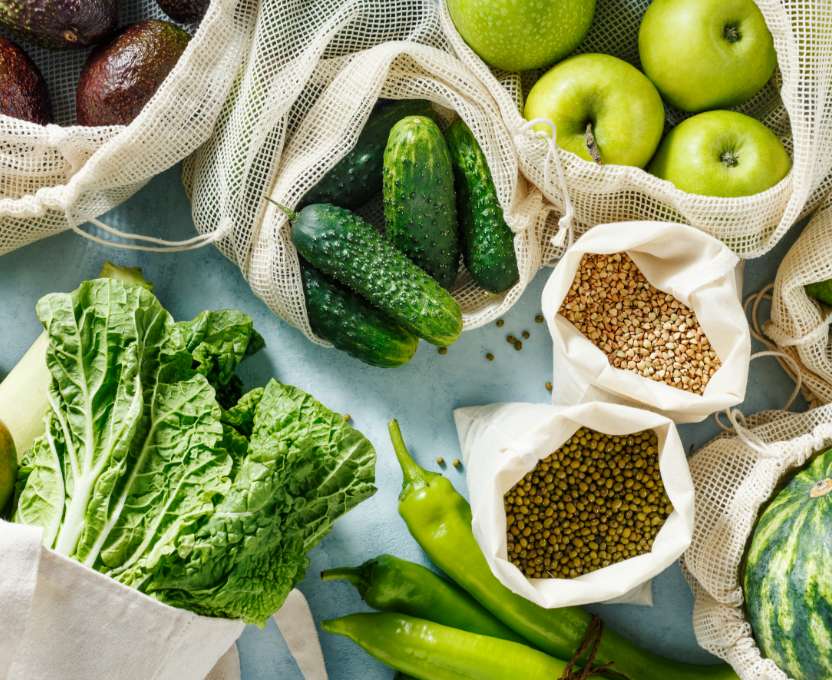
For packaging, the focus is on reusable and unpackaged products.
822050
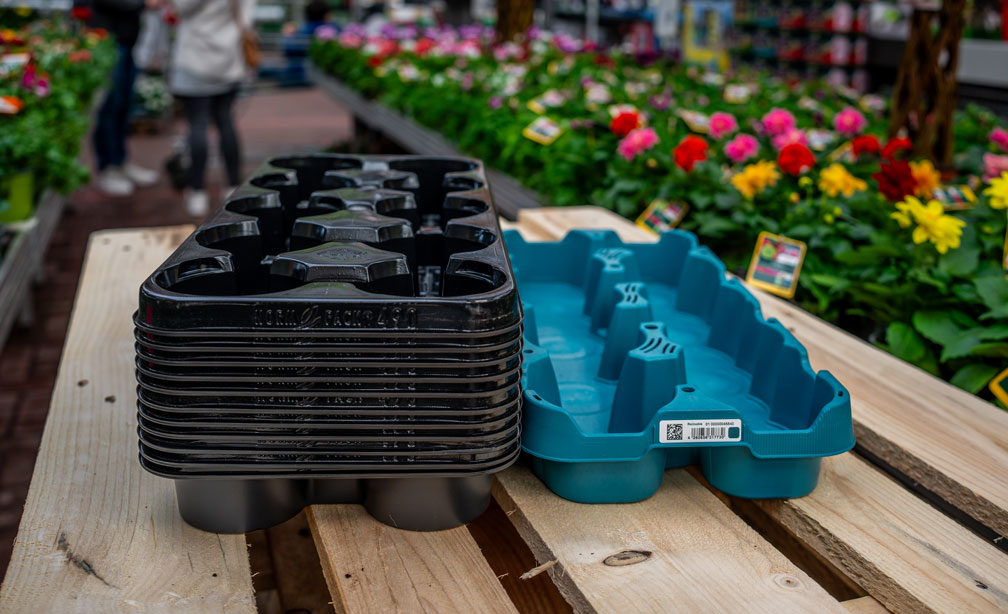
At toom Baumarkt DIY store, 822,050 (2024: 785,424) single-use plant pallets were replaced with reusable ones in the plant department in 2025.
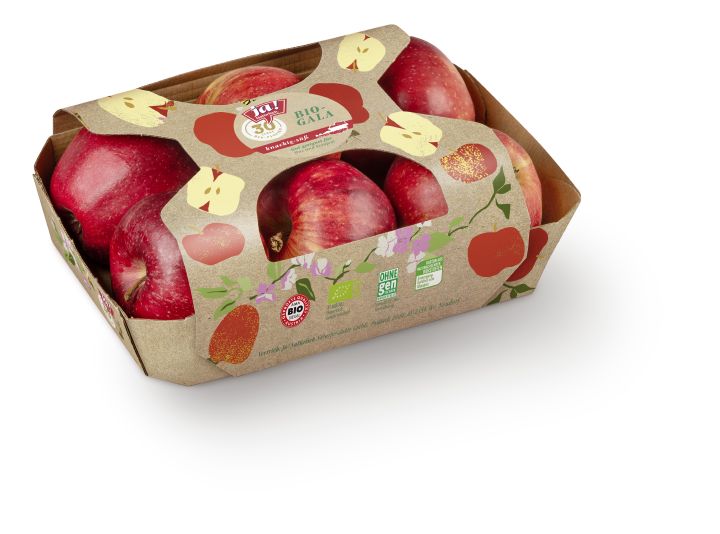
Since April 2020, REWE has been reducing the use of plastic in organic fruit and vegetables across Germany, gradually where possible; we are also continuously exploring alternative packaging options in order to save on materials and close the loop. Since 2021, the REWE Group in Austria has been offering fruit and vegetables under its own-brand ranges “Ja! Natürlich” and “Echt B!O”, predominantly sold loose or in packaging designed to minimise material use and maximise recyclability. In addition, we regularly review our use of raw materials and our packaging design with a view to implementing improvements.
We have achieved our target of using 20 per cent less plastic in private label packaging by 2025 compared to 2015 ahead of schedule. In 2025, we were at -25.3 per cent (2024: -22.3 per cent).
40 million
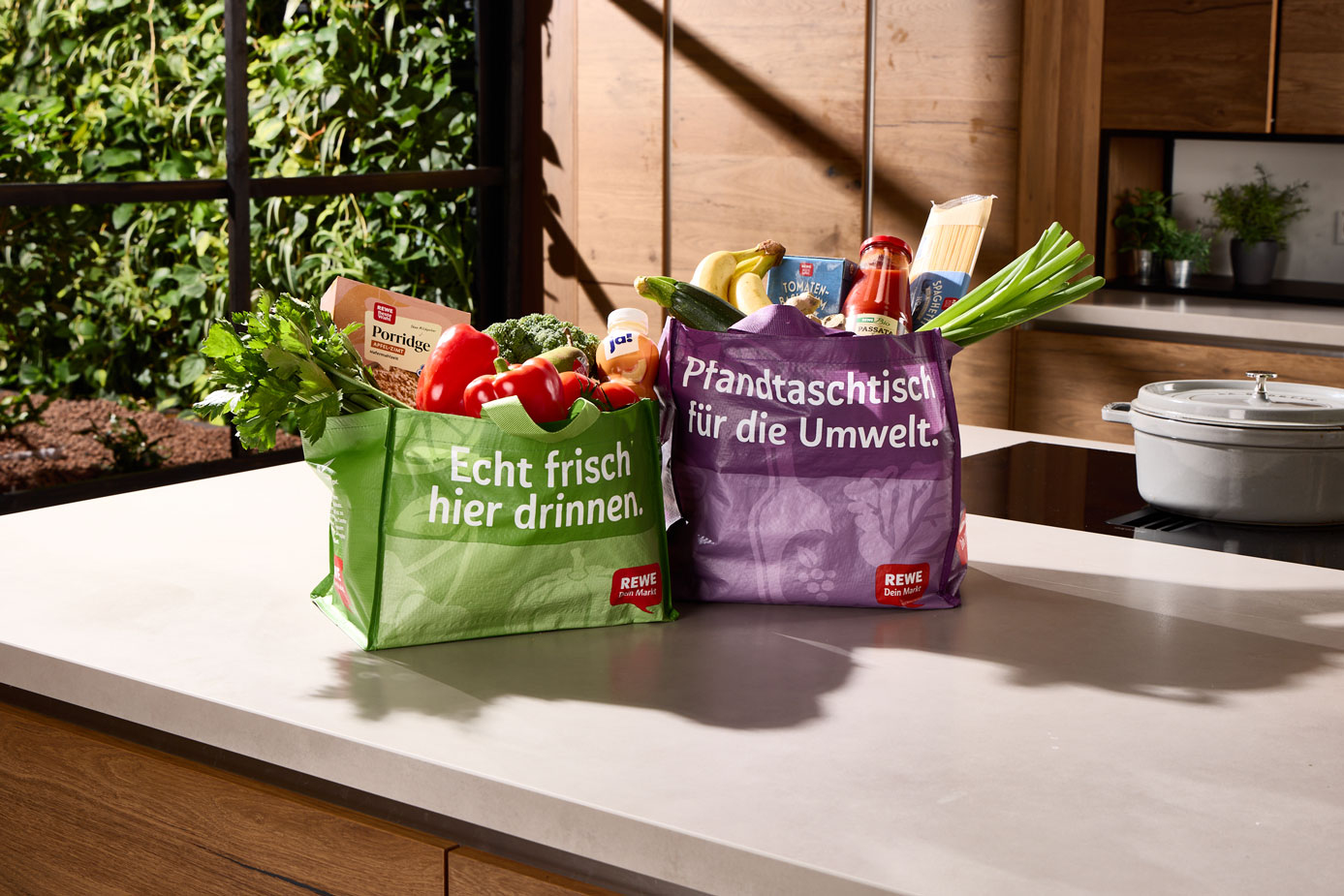
Delivery in reusable deposit bags
Since June 2024, we have been delivering REWE delivery service orders in Germany in reusable deposit bags. These are made predominantly from recycled material (at least 70 per cent, excluding handles and printing film). This saves 40 million paper bags every year.